The best flashlights for hiking make it easier to navigate dark trails, find gear at camp, and handle unexpected delays after sunset. This roundup covers compact handheld lights, rechargeable models, headlamps, and multipacks for different trail conditions and budgets.
When choosing a hiking light, pay attention to more than advertised brightness. Battery life, beam control, weather resistance, carrying comfort, and charging convenience can matter just as much once you are away from home.
Best 10 Flashlights for Hiking Picks for 2026
Long-Range Tactical Pick

- Claimed 1,200-lumen output and up to 1,000-foot beam
- Three modes with adjustable zoom
- AA powered; batteries not included
Best For: Long-distance trail lighting and emergency kits
Rechargeable Compact Pick
Blukar Adjustable-Focus Flashlight

- Built-in 1,800 mAh battery with USB-C cable
- Four modes, including strobe and SOS
- Lightweight 85 g aluminum design
Best For: Day hikes and users who prefer USB-C charging
Rugged Budget Pick
GORILLA GRIP Teal Tactical Flashlight

- Tested 345-lumen output reaching over 750 feet
- Five modes with zoomable beam
- AAA powered aluminum body with textured grip
Best For: General hiking, camping, and backup use
Two-Pack Rechargeable Pick

- Two rechargeable flashlights with USB-C charging
- LCD battery-level display
- Five modes and adjustable zoom
Best For: Hiking pairs, backup lighting, and shared gear
Best Rugged Handheld
Energizer Vision PRO 1300-Lumen Flashlight
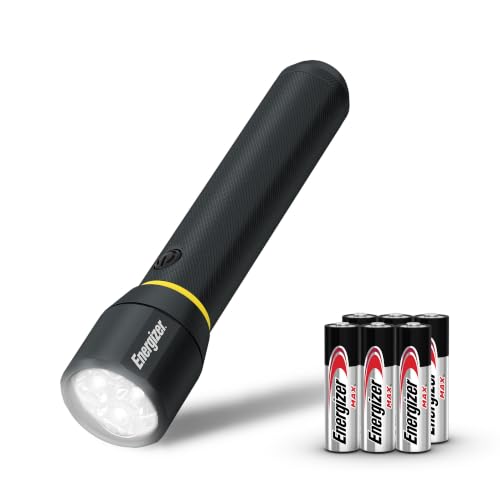
- 1300-lumen High mode with adjustable focus
- IPX4 water-resistant metal construction
- Includes Energizer MAX AA batteries
Best For: Hikers who want a powerful traditional flashlight
Best Hands-Free Option
LHKNL Rechargeable Hiking Headlamp

- Rechargeable 1500mAh battery
- Eight modes with white and red light
- Two lightweight headlamps included
Best For: Hands-free hiking, camping, and trail tasks
Best Budget Two-Pack
Compact Zoomable LED Flashlights

- Two small aluminum flashlights included
- Five modes with adjustable focus
- AAA holders and lanyards included
Best For: Lightweight backup lighting and emergency kits
Best with Extra Features
Rechargeable 2000-Lumen Headlamp
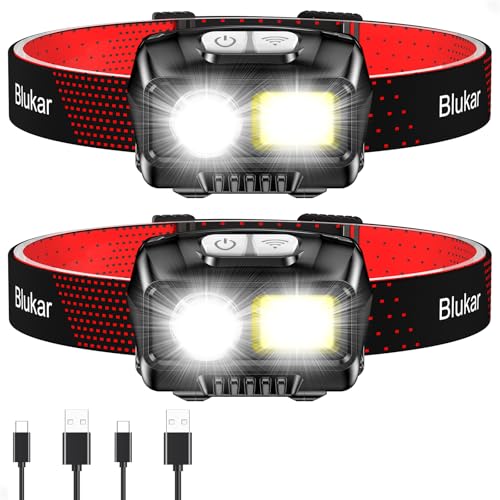
- USB-C rechargeable 1200mAh battery
- Eight modes with motion sensing
- Lightweight, adjustable, and IPX5 rated
Best For: Hands-free hiking and camping
Best Two-Pack Value

- Two compact aluminum handheld lights
- Five modes plus adjustable focus
- Lanyards included; batteries sold separately
Best For: Shared or backup trail lighting
Best Pocket Option
LETMY S2000 Zoomable Flashlights

- Compact two-pack with anti-slip bodies
- Five modes and adjustable beam focus
- Supports AAA or 18650 battery formats
Best For: Portable backup lighting and day hikes
Long-Range Tactical Pick – S2000 LED Flashlight
For hikers who want a powerful handheld option, this flashlight delivers a claimed 1,200-lumen LED beam with adjustable focus. Its aluminum body, three lighting modes, and AA battery power make it a practical choice for trails, campsites, and emergency kits, though batteries must be purchased separately.
Best For: Hikers who prioritize a long-reaching, zoomable beam and easy-to-find AA batteries.
Pros:
- Claims up to 1,000 feet of light-path distance
- Zoomable beam with high, medium, and low modes
- Lightweight aluminum body with IPX4 water resistance
- Up to 10 hours of runtime on high power
Cons:
- Four AA batteries are required and not included
- Lacks dedicated strobe and SOS modes
- Longer 7.5-inch body may take more pack space
This is a sensible pick among flashlights for hiking when distance and conventional battery availability matter most. Its water resistance is intended for rain and splashes, not full submersion.
Rechargeable Compact Pick – Blukar Adjustable-Focus Flashlight
This compact Blukar flashlight is a convenient choice for flashlights for hiking, especially when USB-C charging is preferable to carrying spare cells. It has four modes, adjustable focus, a built-in 1,800 mAh battery, and a lightweight aluminum shell for trail walks and everyday outdoor use.
Best For: Hikers seeking a small rechargeable flashlight with multiple modes and simple USB-C charging.
Pros:
- Built-in rechargeable battery and included USB-C cable
- Four modes include high, low, strobe, and SOS
- Adjustable focus switches between spotlight and floodlight
- Claimed runtime of up to 16 hours in normal use
Cons:
- Integrated battery is non-removable
- USB charging depends on access to a charging source
- Listed light-path distance is 590 feet
At just 85 g, this is one of the easier options to carry in a pocket or daypack. The non-removable battery is the main tradeoff for its convenient rechargeable design.
Rugged Budget Pick – GORILLA GRIP Teal Tactical Flashlight
The GORILLA GRIP is a compact option for flashlights for hiking when you want straightforward AAA battery operation and a durable outdoor build. Its tested 345-lumen output, five modes, zoomable focus, and textured handle support general trail, camping, and emergency use.
Best For: Hikers who want a small, grippy flashlight with replaceable AAA batteries and flexible lighting modes.
Pros:
- Five modes include high, medium, low, strobe, and SOS
- Zoomable beam adjusts from wide to narrow
- Aluminum alloy body is shock, water, and temperature resistant
- Compact 5.3-inch design weighs 4.96 ounces
Cons:
- Three AAA batteries are required and not included
- 345-lumen output is lower than several high-lumen alternatives
- Claimed runtime is up to 9.5 hours
This flashlight balances portability and durability without relying on a charging cable. It is a practical general-purpose trail light, but hikers needing maximum brightness may prefer a higher-output model.
Two-Pack Rechargeable Pick – LCD Display Flashlights
This two-pack offers useful redundancy for hiking partners, separate packs, or a backup light. Each flashlight features USB-C charging, an LCD battery-level display, five modes, zoomable focus, and a compact aluminum design suited to hiking, dog walking, and emergency use.
Best For: Hikers who want two rechargeable lights and a visible battery-level readout.
Pros:
- Two flashlights provide a spare or shared lighting setup
- LCD display shows remaining battery power
- Five modes include strobe and SOS
- Zoomable beam supports wide-area or long-distance lighting
Cons:
- Supplied notes give a 700-lumen rating but no runtime figure
- Charging requires a USB-C power source
- Battery specifications in the listing are mixed, so verify the included power setup
The two-pack is especially useful when reliability means having a backup close at hand. Its battery display helps with planning, while the aluminum construction and water resistance suit normal outdoor conditions.
Best Rugged Handheld – Energizer Vision PRO 1300-Lumen Flashlight
For hikers who prefer a traditional handheld light, the Energizer Vision PRO offers a bright, adjustable beam in a durable metal body. Its 1300-lumen High mode, 250-lumen Low mode, IPX4 water resistance, and included batteries make it a practical option among flashlights for hiking and emergency use.
Best For: Hikers wanting a powerful, rugged handheld flashlight with batteries included.
Pros:
- Bright 1300-lumen maximum output with adjustable focus.
- IPX4 water resistance and impact resistance up to 1 meter.
- Includes Energizer MAX AA batteries.
Cons:
- Handheld design leaves one hand occupied on the trail.
- Listed runtime is 4 hours, so extended trips may require spare batteries.
This is a sensible choice when beam power and rugged construction matter more than hands-free convenience. The battery-powered design also suits hikers preparing for outages or trips where recharging may be inconvenient.
Best Hands-Free Option – LHKNL Rechargeable Hiking Headlamp
The LHKNL headlamp is a convenient hands-free choice for hikers who need to keep both hands available for trekking, climbing, or camp setup. It has a rechargeable 1500mAh battery, eight lighting modes, a 60-degree pivoting lamp, and a motion-sensor mode.
Best For: Hikers and campers who need hands-free lighting with rechargeable power.
Pros:
- Rechargeable battery provides 4–10 hours of use when fully charged.
- Lightweight 1.87-ounce design with an adjustable headband.
- Offers white and red light, eight modes, and motion-sensor control.
- Includes two headlamps and two USB-C cables.
Cons:
- IPX4 water resistance is intended for splashes and rain rather than submersion.
- Requires recharging instead of quick battery replacement.
With its low weight, pivotable lamp, and hands-free controls, this is one of the more versatile flashlights for hiking. The included two-pack is especially useful for couples, families, or keeping a spare in a daypack.
Best Budget Two-Pack – Compact Zoomable LED Flashlights
This two-pack gives hikers a compact backup lighting solution without adding much weight to a pack. Each aluminum flashlight offers five modes, adjustable focus, and a claimed beam distance of up to 656 feet, while the included battery holders support standard AAA batteries or a compatible rechargeable option.
Best For: Hikers who want two small, versatile backup lights for trail and emergency use.
Pros:
- Two compact aluminum flashlights are easy to distribute or pack as spares.
- Five modes include High, Medium, Low, Strobe, and SOS.
- Adjustable focus switches between flood and spotlight beams.
- Includes battery tubes, AAA holders, and lanyards.
Cons:
- Batteries are not included.
- Small handheld design is not hands-free.
- Product notes contain differing listed lumen figures, so output should be treated cautiously.
These are practical flashlights for hiking when portability, versatility, and redundancy are priorities. Carry one in your pack and leave the second in a vehicle or emergency kit, but bring spare batteries for longer outings.
Best with Extra Features – Rechargeable 2000-Lumen Headlamp
If you want hands-free illumination, this rechargeable headlamp is a versatile option among flashlights for hiking. It combines spotlight and floodlight LEDs, eight lighting modes, stepless dimming, and a motion sensor in a lightweight design.
Best For: Hikers, campers, runners, and anyone who needs hands-free lighting in changing conditions.
Pros:
- Rechargeable 1200mAh battery with USB-C charging
- Eight modes, including white, red, strobe, and motion-sensor options
- 45-degree adjustable lamp head and comfortable washable headband
- IPX5 water resistance and a listed runtime of up to 30 hours
Cons:
- Requires charging rather than quick battery replacement
- The listed two-pack may be more than a solo hiker needs
Choose this model when keeping both hands free matters most. Its rechargeable design and broad selection of modes are especially useful for evening hikes, camp setup, and trail tasks.
Best Two-Pack Value – Zoomable Tactical Flashlights
This two-pack is a practical choice if you want handheld flashlights for hiking and backup lighting for camp or emergencies. Each aluminum flashlight offers five modes, adjustable focus, a non-slip grip, and a claimed beam distance of up to 656 feet.
Best For: Hikers who want a pair of compact handheld lights for sharing, backup use, or keeping one in different locations.
Pros:
- Five modes include low, medium, high, SOS, and strobe
- Zoomable beam switches between spotlight and floodlight
- Aircraft-grade aluminum body with impact-resistant, waterproof, and dustproof claims
- Lightweight five-ounce design with included lanyards
Cons:
- Batteries are not included and each light requires three AAA batteries
- Handheld design does not provide hands-free illumination
This set makes sense for hikers who value redundancy and adjustable beam control. Remember to pack six AAA batteries, since both flashlights arrive without batteries.
Best Pocket Option – LETMY S2000 Zoomable Flashlights
For hikers who prefer a small handheld light, the LETMY S2000 two-pack offers portable illumination without taking much room in a pocket or pack. It includes five modes, adjustable focus, a military-grade aluminum body, and a claimed runtime of more than 40 hours on low mode.
Best For: Day hikers, emergency kits, dog walkers, and campers who want compact backup flashlights.
Pros:
- Pocket-sized design with anti-slip grip and hand straps
- Five modes include high, medium, low, strobe, and SOS
- Adjustable focus provides floodlight or spotlight coverage
- Two-pack includes AAA holders, 18650 battery tubes, lanyards, and an operation guide
Cons:
- Neither AAA nor 18650 batteries is included
- Handheld format requires one hand to operate
- Water resistance is described for splashing rather than full submersion
This is a useful value pick when size and versatility matter more than hands-free use. Pack the appropriate batteries before heading out, and use the zoom feature to adapt the beam to the trail or campsite.
How We Picked the Best Flashlights for Hiking
We focused on features that directly affect trail use: useful brightness, beam adjustability, battery or charging options, water resistance, durability, size, and ease of carrying. The selection includes handheld flashlights for general navigation, headlamps for hands-free tasks, and multipacks for shared use or backup lighting.
Because advertised lumen ratings can vary by brand and testing method, they should be treated as a comparison point rather than a guarantee of real-world performance. Runtime, beam quality, and dependable controls are equally important.
Quick Comparison
| Type | Best For | Main Advantage | Potential Trade-Off |
|---|---|---|---|
| Handheld flashlight | Trail walking and general outdoor use | Strong forward beam and easy aiming | Occupies one hand |
| Rechargeable flashlight | Frequent hikers | Convenient charging and less battery waste | Needs charging before trips |
| Headlamp | Hands-free hiking and camp tasks | Keeps both hands available | Headband comfort and battery placement matter |
| Two-pack | Couples, families, or backups | Convenient value and redundancy | May offer fewer premium features per light |
Key Buying Factors for Flashlights for Hiking
Brightness and Beam Control
Higher output can help on open trails, but an adjustable beam is often more useful than maximum brightness alone. A focused beam helps with distance, while a wider beam is better for nearby rocks, campsites, and gear.
Runtime and Power Source
Check whether the light uses replaceable batteries, a built-in rechargeable battery, or both. Rechargeable models are convenient for regular use, while replaceable batteries are useful on longer trips without access to a power bank. Review runtime at practical brightness levels, not only the highest setting.
Weather Resistance and Construction
Look for water-resistant construction when hiking in rain, wet vegetation, or near streams. Aluminum bodies can provide useful durability, but a rugged casing does not replace careful handling or proper storage.
Size, Grip, and Controls
A flashlight should be easy to hold while wearing gloves and simple to operate in the dark. A pocket clip, wrist strap, textured grip, or compact body can make a noticeable difference on the trail.
Who Should Buy Which Flashlights for Hiking?
- Choose a handheld model if you want a versatile light for trail navigation, emergencies, and campsite use.
- Choose a rechargeable model if you hike regularly and can reliably recharge before each outing.
- Choose a headlamp if you need both hands free for climbing, cooking, map reading, or setting up camp.
- Choose a two-pack if you hike with another person or want a spare in a vehicle, emergency kit, or backpack.
- Choose a compact mini flashlight for day hikes, household backup, or situations where weight and storage space matter most.
For most hikers, the best choice balances dependable runtime, comfortable carrying, weather resistance, and a beam suited to the terrain. Carrying a backup light or spare power source is also sensible for night hikes and remote routes.

