A hiking backpack with a ventilated back can make warm-weather trails more comfortable by improving airflow between your body and the pack. The right design also balances fit, capacity, weight, and access to essentials.
We’ve selected 10 options ranging from compact 20-liter daypacks to roomier 40-liter models, including packs with hydration systems, rain covers, pole holders, and packable designs.
Best 10 Hiking Backpack with Ventilated Back Picks for 2026
Best All-Weather Daypack

- AirSpeed ventilated mesh backpanel
- Built-in stowaway raincover
- 26L organized day-hike storage
Best For: Day hikers wanting breathable comfort and rain protection
Best for Bigger Loads
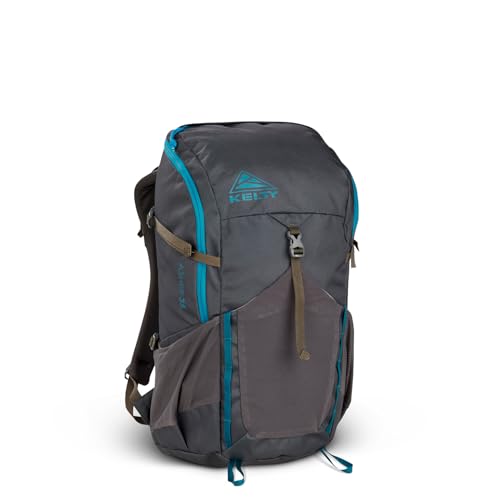
- AMP-Flow ventilated back design
- 35L capacity with lightweight frame
- Supports 10–25 lb carry range
Best For: Long day hikes and quick overnights with more gear
Best Hydration-Focused Pick

- 3D breathable padded back
- Includes 2L hydration bladder
- Eight-pocket organization with reflective details
Best For: Active users prioritizing hands-free hydration
Best Lightweight Budget Option

- Only 11.68 ounces
- Breathable foam-and-mesh back panel
- 20L capacity with water-resistant shell
Best For: Short hikes and daily outdoor carry on a budget
Best Ventilation

- Aircomfort spring-frame and mesh back system
- Adjustable harness with hip fins and sternum strap
- 27L capacity with hydration compatibility and rain cover
Best For: Day hikers seeking maximum airflow and a stable, adjustable fit
Best Packable Option

- Folds into its own inner pocket
- 12.8-ounce weight with 35L storage
- Water-resistant fabric and wet compartment
Best For: Travelers and casual hikers needing a lightweight backup pack
Best High-Capacity Value

- 40L capacity with seven zippered pockets
- Breathable padded back and adjustable chest buckle
- Includes rain cover and hydration-system routing
Best For: Camping and longer outings requiring generous organized storage
Best Lightweight Pick

- 1.1-pound ripstop nylon build
- Honeycomb mesh ventilated back panel
- Hydration-ready with pole holder
Best For: Day hikes, commuting, travel, and bike rides
Best High-Capacity Option
40L Waterproof Hiking Backpack

- 40L storage with 15 pockets
- Waterproof fabric and included rain cover
- Compression straps and ergonomic support
Best For: Camping, extended hikes, and gear-heavy travel
Best Compact Value
RealCool 20L Breathable Hiking Pack

- Contour-based design supports airflow
- Lightweight 1.1-pound construction
- Hydration routing and external gear straps
Best For: Light day hikes, camping, and compact travel loads
Best All-Weather Daypack – Osprey Hikelite 26L
The Osprey Hikelite 26L is a strong choice if you want a hiking backpack with ventilated back support for day hikes, travel, and everyday use. Its tensioned AirSpeed mesh backpanel promotes airflow, while the included raincover adds useful protection in changing weather.
Best For: Day hikers who want breathable carry comfort, organized storage, and built-in rain protection.
Pros:
- AirSpeed suspension and tensioned mesh backpanel improve ventilation.
- Integrated raincover stows in a zippered base pocket.
- 26-liter storage includes a reservoir sleeve, front shove-it pocket, and internal organization.
- Padded hipwings, sternum adjustment, and compression straps help stabilize the load.
Cons:
- At 1.89 pounds, it is not the lightest option in this group.
- The 26-liter capacity may be limiting for longer trips or bulkier gear.
Choose the Hikelite if ventilation and weather readiness matter more than minimizing pack weight. Its feature set is well suited to practical, all-day outings.
Best for Bigger Loads – Kelty Asher 35L
The Kelty Asher 35L combines a lightweight internal frame with AMP-Flow ventilation, making it a practical hiking backpack with ventilated back comfort for long day hikes and quick overnights. Its larger capacity is useful when you need more than a compact daypack.
Best For: Hikers carrying 10–25 pounds who need 35 liters of storage for long day trips, travel, or short overnights.
Pros:
- AMP-Flow ventilation helps move air across the back.
- 35-liter capacity provides useful room without a heavy 1-pound-12-ounce design.
- Internal frame sheet, load lifters, sternum strap, and waist-belt stabilizer support the load.
- Mesh stash and bottle pockets keep frequently used items accessible.
Cons:
- The larger framed design may be more pack than minimalist day hikers need.
- Its listed 18.1-inch torso fit may not suit every wearer.
The Asher stands out when ventilation and carrying support need to coexist with extra capacity. It is a sensible middle ground between a small daypack and a heavier multi-day pack.
Best Hydration-Focused Pick – Maelstrom 20L
The Maelstrom is a hiking backpack with ventilated back padding and an included 2-liter bladder, giving active hikers convenient hands-free hydration. Its 3D breathable back, adjustable chest and waist straps, and insulated bladder compartment suit hikes and other outdoor activities.
Best For: Hikers, cyclists, and runners who prioritize accessible hydration and plentiful pockets in a compact pack.
Pros:
- 3D breathable padded back helps reduce heat buildup.
- Includes a 2-liter BPA-free bladder with support for up to 3 liters.
- Insulated hydration compartment can help keep water cool with ice packs.
- Multiple pockets, reflective strips, and a built-in whistle add practical trail features.
Cons:
- At 20 liters, it offers less storage than the 26L and 35L alternatives.
- The pack is water resistant rather than described as fully waterproof.
- Its sport-focused layout may be less suitable for bulky general-purpose gear.
This is the most hydration-oriented option in the group. Select it when quick drinking access and organized small-item storage are more important than maximum carrying volume.
Best Lightweight Budget Option – Ultra-Light 20L Daypack
This ultra-light daypack is a straightforward hiking backpack with ventilated back support for short outings, commuting, and everyday outdoor use. Its foam-and-mesh back panel weighs just 11.68 ounces, while the water-resistant polyester shell handles light splashes but not heavy rain.
Best For: Budget-conscious hikers who want a very light 20-liter pack for day trips and daily carry.
Pros:
- Very light 11.68-ounce construction reduces carrying weight.
- Foam padding and breathable mesh help limit heat buildup.
- Two zippered compartments and two mesh side pockets support basic organization.
- Adjustable shoulder and chest straps allow fit customization.
Cons:
- It is non-waterproof and not intended for heavy rain.
- The simple design has less support and load-management hardware than framed alternatives.
- Its 20-liter capacity is better suited to essentials than extensive gear.
The Ultra-Light daypack makes sense when low weight and affordability are the main priorities. For longer or heavier outings, consider a pack with a frame, hip support, or more advanced suspension.
Best Ventilation – Deuter Futura 27L
The Deuter Futura 27L is a strong choice if you want a hiking backpack with ventilated back support for day hikes and trekking. Its Aircomfort system combines a flexible spring-steel frame with breathable mesh to promote airflow, while the adjustable harness helps distribute weight comfortably.
Best For: Day hikers who prioritize back ventilation, a stable fit, and organized storage.
Pros:
- Aircomfort mesh back system is designed to reduce perspiration and improve airflow.
- Adjustable ActiveFit shoulder straps, hip fins, and sternum strap support a customized fit.
- 27-liter capacity includes multiple pockets, a wet compartment, hydration compatibility, and a rain cover.
Cons:
- At 1,250 g, it is heavier than ultralight packable daypacks.
- Its 27-liter capacity may be limiting for bulky overnight gear.
The Futura 27L stands out for its dedicated ventilation and ergonomic carry system. Choose it when comfort and airflow matter more than minimum pack weight.
Best Packable Option – MIYCOO Ultralight 35L
The MIYCOO 35L is designed for travelers and casual hikers who need a hiking backpack with ventilated back convenience in a highly portable format. It folds into its inner pocket, weighs about 12.8 ounces, and provides water-resistant storage for light rain and everyday outdoor use.
Best For: Travelers, backup-pack users, and hikers who value low weight and compact storage.
Pros:
- Ultralight, foldable design packs into a compact inner pocket.
- 35-liter capacity provides substantial storage with multiple compartments and a wet section.
- Water-resistant fabric, reinforced stress points, and anti-theft zipper clips add practical utility.
Cons:
- The supplied notes do not specify a dedicated ventilated back-frame or mesh back system.
- IPX4-level water resistance is intended for splashes and light rain rather than severe weather.
- The packable construction may offer less structured support for heavy loads.
This is the lightest and most portable option in the group, but it is not the strongest match if dedicated back ventilation is your main requirement. It makes more sense as a flexible travel or spare daypack.
Best High-Capacity Value – Maelstrom 40L Hiking Backpack
The Maelstrom 40L is a capacious hiking backpack with ventilated back padding for camping, travel, and longer day outings. Its breathable padded back and shoulder straps are intended to reduce fatigue, while the included rain cover and rip-stop nylon help protect gear in changing conditions.
Best For: Campers and hikers who need generous capacity, many pockets, and weather-focused features.
Pros:
- 40-liter capacity offers room for outdoor, travel, or camping equipment.
- Breathable padded back and shoulder straps, plus an adjustable chest buckle, support comfortable carrying.
- Includes a rain cover, water-resistant rip-stop nylon, wet pocket, hydration routing, and trekking-pole attachments.
Cons:
- The supplied notes describe breathable padding but not a suspended frame-style ventilation system.
- Its larger capacity can encourage heavier packing than a compact daypack.
- Hand-wash care is specified.
The Maelstrom offers the most capacity and broadest organization of these three packs. Consider it when storage and included weather features outweigh the need for the most advanced ventilated-back design.
Best Lightweight Pick – 23L Ventilated Hiking Daypack
If you want a hiking backpack with ventilated back support for day hikes, commuting, or travel, this 23L model combines a lightweight 1.1-pound build with a 3D honeycomb mesh back panel. Its pockets, hydration compatibility, and trekking-pole holder add practical trail convenience without excessive bulk.
Best For: Day hikers, bike riders, travelers, and commuters who want a lightweight, organized pack with airflow and adjustable support.
Pros:
- Ventilated 3D honeycomb mesh back panel promotes airflow during warm-weather activities.
- Lightweight ripstop nylon construction weighs just 1.1 pounds.
- Includes a 14-inch sleeve, multiple zip pockets, hydration routing, bottle pockets, and a trekking-pole holder.
- Chest strap and waist belt help stabilize the load on descents or trail runs.
Cons:
- The 14-inch laptop or tablet sleeve is unpadded.
- At 23 liters, it offers less capacity than a full-size overnight pack.
- The hydration bladder is not included.
This is a versatile choice when ventilation, low weight, and everyday organization matter more than maximum capacity. It is especially suited to day trips and mixed trail-to-town use.
Best High-Capacity Option – 40L Waterproof Hiking Backpack
For longer outings, this 40L waterproof hiking backpack provides substantially more room than a compact daypack while adding a supportive back system and load-compression straps. It is a practical hiking backpack with ventilated back considerations for carrying camping or travel gear, though the supplied details emphasize support rather than a dedicated mesh ventilation panel.
Best For: Hikers, campers, and travelers who need 40 liters of organized storage, weather protection, and attachment points for extra equipment.
Pros:
- 40-liter capacity with numerous compartments and pockets for separating gear.
- Waterproof nylon construction includes a rain-cover pocket and rain cover for added protection.
- Compression straps and an ergonomic back support system help manage heavier loads.
- Hydration compatibility, trekking-pole attachment points, bottom straps, and a whistle chest buckle add trail utility.
Cons:
- At about 2 pounds, it is heavier than the smaller packs in this roundup.
- The larger 40L profile may be more capacity than needed for short day hikes.
- The notes do not specify a dedicated ventilated mesh back panel.
This pack makes the most sense when capacity and weather resistance take priority. Its structured support and multiple attachment points are useful for longer hikes, camping trips, and travel, but shoppers specifically seeking pronounced back airflow should verify the panel design.
Best Compact Value – RealCool 20L Breathable Hiking Pack
The RealCool 20L is a compact hiking backpack with ventilated back comfort designed around body contours and balanced weight distribution. At approximately 1.1 pounds, it keeps the load light while providing water-repellent fabric, hydration routing, and attachment points for trail essentials.
Best For: Minimalist day hikers, campers, and travelers who want a small, lightweight pack with breathable ergonomics and basic gear-carrying features.
Pros:
- Ergonomic design conforms to back contours and promotes ventilation.
- Lightweight 20L version weighs about 1.1 pounds.
- Front bungee net and bottom straps can secure items such as a tent or sleeping pad.
- Hydration-bladder attachment, water-tube outlet, reflective strips, and trekking-pole cords improve trail practicality.
Cons:
- The water-repellent fabric is not intended for heavy rain or downpours.
- The 20L capacity is better suited to day trips than bulky loads or overnight gear.
- With four listed pockets, organization is simpler than on larger multi-pocket packs.
This is a sensible pick for short hikes and lightweight outings where airflow and easy carrying are priorities. Choose it for moderate weather and compact gear loads rather than extended wet-weather trips.
How We Picked the Best Hiking Backpack with Ventilated Back
We focused on practical features that matter on real hikes: breathable back panels, comfortable shoulder straps, useful storage, manageable weight, weather protection, and capacity. The selection includes compact daypacks for short outings, larger internal-frame packs for extra layers and gear, and lightweight designs suited to travel or emergency use.
Because ventilation can vary by construction, we considered suspended or cushioned back panels, mesh contact areas, and airflow channels alongside overall carrying comfort. A ventilated back helps reduce heat buildup, but proper torso fit and sensible packing remain equally important.
Quick Comparison
| Best For | Recommended Capacity | Features to Prioritize |
|---|---|---|
| Short hikes and minimal gear | 20–25L | Low weight, breathable padding, accessible pockets |
| Full-day hikes | 25–35L | Frame support, hydration compatibility, rain protection |
| Extra layers or camping gear | 35–40L | Load distribution, compression straps, durable materials |
| Travel and backup use | 20–35L | Packability, water resistance, simple organization |
Key Buying Factors for a Hiking Backpack with Ventilated Back
Backpanel Design and Fit
Look for mesh-covered padding, air channels, or a tensioned panel that separates the pack from your back. Ventilation is useful only if the shoulder straps and hip belt fit comfortably. Adjust the torso length, sternum strap, and load lifters when available.
Capacity and Weight
A 20L pack is often enough for water, snacks, a light layer, and basic safety items. Choose 26–35L for variable weather or longer day hikes. A 40L pack offers more room but can encourage overpacking, so check its empty weight and compression options.
Hydration and Organization
A bladder sleeve and hose port make frequent drinking easier, while side pockets should hold bottles securely. Separate compartments, hip-belt pockets, and trekking-pole attachments can improve access without requiring you to remove the pack.
Weather Protection and Durability
Water-resistant fabric helps with light showers, but a dedicated rain cover provides better protection during sustained rain. Reinforced stitching, durable zippers, and abrasion-resistant fabric matter if you regularly hike through dense vegetation or carry heavier loads.
Who Should Buy Which Hiking Backpack with Ventilated Back?
Choose a compact 20–23L option for short hikes, travel, and minimalist packing. A 26–27L pack is a versatile choice for most day hikers who carry extra clothing, lunch, and safety gear. Select a 35L model if you need more space for changing conditions or bulky equipment. A 40L pack is better for heavy day loads, lightweight overnight gear, or camping accessories.
For hot climates, prioritize a genuinely breathable back system and a close, stable fit. For travel, packability and water resistance may matter more than advanced suspension. If you routinely carry substantial weight, favor an internal frame, hip-belt support, and adjustable torso design over the lightest possible pack.

