Staying hydrated is easier when your water supply rides comfortably on your back. The best hiking backpack with hydration system combines a dependable reservoir with practical storage, stable fit, and trail-friendly comfort.
We compare 10 hydration packs ranging from compact running vests to roomier 18L and 22L daypacks, helping you choose the right balance of capacity, weight, organization, and water access.
Best 10 Hiking Backpack with Hydration System Picks for 2026
Best All-Day Capacity

- 18L pack plus 3L insulated bladder
- Multiple compartments and waist pouches
- Ventilated padding with reflective strips
Best For: All-day hikes needing extra storage
Best Rugged Design

- Durable 1000D water-repellent nylon
- 3L TPU bladder with leak-control features
- MOLLE webbing for added gear
Best For: Rugged, modular outdoor use
Best Weather Protection
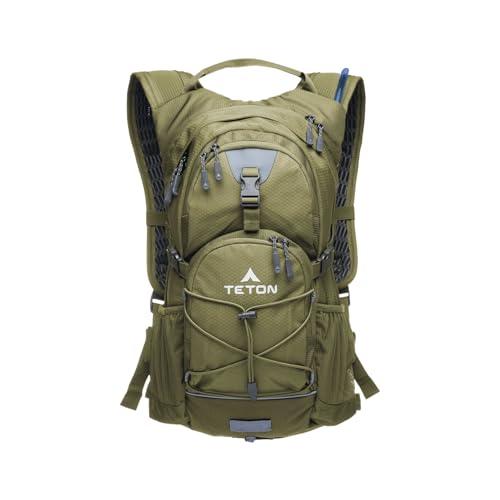
- 2L bladder with insulated pocket
- 18L storage and six pockets
- Sewn-in rain cover included
Best For: Weather-conscious trail users
Best Organization
Tactical 3L Hydration Backpack

- Nine pockets for separated storage
- 3L BPA- and odor-free TPU bladder
- MOLLE-compatible expandable design
Best For: Gear-heavy hikes needing organization
Best Ultralight Pick
Lightweight 12L Hydration Backpack

- 8.5-ounce pack with 2-liter bladder
- Breathable, adjustable fit
- Waterproof nylon with practical pockets
Best For: Short hikes, running, and cycling
Best Trail-Ready Capacity
Water Buffalo Sherpa 22L Hydration Backpack

- Generous 22-liter day-hike capacity
- 2-liter bladder with wide refill opening
- Hip and chest straps plus pole holders
Best For: Longer day hikes with extra gear
Best Organized Daypack
Everfun 18L Insulated Hydration Backpack

- Eight pockets and dedicated gear storage
- Insulated compartment with 2-liter bladder
- Rain cover and adjustable bounce-free fit
Best For: Organized, all-weather day adventures
Best Lightweight Pick
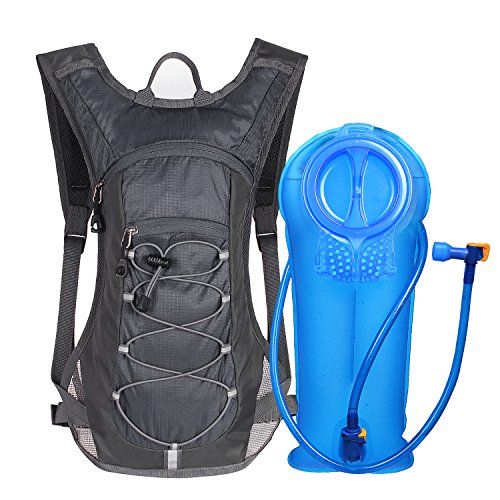
- Lightweight 1.1-pound construction
- Replaceable 2-liter BPA-free bladder
- Adjustable straps help reduce bounce
Best For: Short hikes, cycling, and running
Best Full-Day Option

- 22-liter pack with 3-liter bladder
- Nine pockets plus detachable phone pocket
- Rain cover and trail-focused features
Best For: Full-day hikes and gear-heavy outings
Best Running Vest Design

- 2-liter BPA-free PEVA bladder
- Eight pockets for organized storage
- Adjustable, breathable vest-style fit
Best For: Running, hiking, cycling, and endurance activities
Best All-Day Capacity – 18L Hydration Backpack
If you want a hiking backpack with hydration system for longer outings, the N NEVO RHINO combines an 18L pack with a 3L bladder. Its ventilated padding, insulated reservoir compartment, and varied storage make it suited to day hikes and other outdoor activities.
Best For: Hikers who need substantial storage and extended hydration for all-day trips.
Pros:
- Includes a 3L BPA-free PEVA bladder with a wide opening and insulated compartment.
- 18L capacity includes three zippered compartments, side mesh pockets, and waist pouches.
- Ventilated mesh cushioning and reflective strips add comfort and visibility.
Cons:
- The pack is not suitable for children aged 12 and under.
- Its larger capacity may be more than needed for short outings.
Choose this model when storage and cooling are higher priorities than a minimalist profile. The one-year warranty and lifetime customer support add reassurance for regular use.
Best Rugged Design – Tactical MOLLE Hydration Pack
For a hiking backpack with hydration system built around durability and a close fit, the MARCHWAY Tactical Molle pack uses 1000D water-repellent nylon and a streamlined torso profile. Its MOLLE webbing also lets you expand the carry setup with compatible pouches.
Best For: Hikers and outdoor users who prefer a compact, rugged pack with modular attachment options.
Pros:
- Heavy-duty 1000D nylon, impact-resistant buckles, and SBS zippers are designed for demanding use.
- Adjustable sternum, waist, and shoulder straps help stabilize the load.
- Included 3L TPU bladder has a wide opening, quick-release valve, rotating bite valve, and shut-off valve.
Cons:
- The listed capacity is limited to the 3L reservoir and two external pockets.
- At 2 pounds, it is heavier than some lightweight hydration packs.
This is a practical choice when secure fit, abrasion resistance, and modularity matter more than extensive main-compartment storage. The internal baffle is intended to reduce sloshing while you move.
Best Weather Protection – Teton Oasis Trailrunner
The Teton Oasis Trailrunner is a hiking backpack with hydration system that balances a lightweight athletic fit with useful trail protection. It includes a 2L bladder, 18L of storage, an insulated bladder pocket, and a sewn-in rain cover.
Best For: Hikers, runners, and cyclists who want organized storage and built-in weather coverage.
Pros:
- Includes a 2L bladder with a wide opening, kink-free tube, and cushioned bite valve.
- 18L capacity, six pockets, weather-guarded zippers, and a bungee system support organized packing.
- Sewn-in rain cover helps protect the pack during wet conditions.
Cons:
- The included bladder holds 2L rather than 3L.
- The listed weight is 2 pounds, which may not suit ultralight hikers.
Consider this model if changing weather is a concern and you want more than a simple reservoir carrier. Its adjustable athletic cut is designed for men, women, and youth.
Best Organization – Tactical 3L Hydration Backpack
If organization is your priority in a hiking backpack with hydration system, this tactical pack provides nine pockets alongside a 3L TPU reservoir. Its 900D abrasion-resistant nylon, padded back system, and MOLLE-compatible straps make it suited to gear-heavy outdoor outings.
Best For: Hikers who carry many small essentials and want tactical attachment points.
Pros:
- Nine pockets, including four zippered pockets and five additional compartments, separate gear efficiently.
- 3L BPA- and odor-free TPU bladder supports longer outings.
- MOLLE-compatible straps allow additional gear or pouches to be attached.
Cons:
- The 3L listed capacity refers to the hydration reservoir rather than a larger pack volume.
- Its tactical pocket layout may be more structure than minimalist users need.
This pack stands out for carrying and separating accessories rather than maximizing lightweight simplicity. Choose it when pocket access and expandable attachment options are central to your hiking setup.
Best Ultralight Pick – Lightweight 12L Hydration Backpack
If you want a lightweight hiking backpack with hydration system for short hikes, runs, or bike rides, this 12-liter pack keeps the load minimal at just 8.5 ounces. It includes a 2-liter bladder, adjustable straps, breathable mesh, and several small storage areas for trail essentials.
Best For: Runners, cyclists, and hikers who prioritize a very light pack for shorter outings.
Pros:
- Extremely light 8.5-ounce construction
- Includes a BPA-free 2-liter bladder with a leakproof bite valve
- Adjustable chest and shoulder straps with breathable air-mesh backing
- Waterproof, tear-resistant nylon fabric and multiple small pockets
Cons:
- 12-liter capacity is smaller than the other packs in this roundup
- Storage is geared toward essentials rather than bulky layers
This is a practical choice when every ounce matters. Its compact capacity and lightweight build suit active day trips, while the included bladder provides convenient hands-free hydration.
Best Trail-Ready Capacity – Water Buffalo Sherpa 22L Hydration Backpack
For hikers who need room for extra layers, snacks, and trail equipment, this 22-liter hiking backpack with hydration system offers substantially more capacity than a minimalist running pack. It combines a 2-liter bladder with adjustable chest and hip straps, trekking-pole holders, gear loops, and rain-resistant zipper liners.
Best For: Day hikers who carry additional clothing, snacks, and hands-free trail gear.
Pros:
- Spacious 22-liter storage capacity
- Includes a BPA-free 2-liter bladder with a wide opening and bite valve
- Adjustable hip and chest straps help create a stable fit
- Trekking-pole holders, gear loops, and rainproof zipper liners add trail utility
Cons:
- Larger and potentially less minimal than a compact running pack
- The supplied details identify six storage pockets in the description but list two in the specifications
The Sherpa is the strongest fit for longer day hikes where storage and stability matter more than ultralight weight. Its organization and external carry features make it useful for carrying a broader range of trail necessities.
Best Organized Daypack – Everfun 18L Insulated Hydration Backpack
This 18-liter hiking backpack with hydration system is designed for organized day trips, with eight functional pockets, an insulated bladder compartment, a built-in rain cover, and adjustable shoulder, chest, and waist straps. The included 2-liter bladder can be filled and cleaned through its wide-mouth opening.
Best For: Hikers, cyclists, and runners who want organized storage, weather protection, and an insulated hydration compartment.
Pros:
- 18-liter capacity with eight pockets and dedicated gear-storage areas
- Insulated compartment fits up to a 3-liter bladder and can keep liquids cold for up to six hours with ice packs
- Includes a 2-liter bladder with wide-mouth opening and protective dust cover
- Built-in rain cover, reflective strips, and bounce-reducing fit system
Cons:
- At about 1.74 pounds, it is considerably heavier than the ultralight option
- Its many features may be more than needed for short, minimalist outings
The Everfun offers the most comprehensive organization and weather-readiness of these options. Choose it when carrying comfort, cold-drink insulation, visibility, and gear protection are more important than keeping pack weight to a minimum.
Best Lightweight Pick – Unigear 2L Hydration Pack
If you want a compact hiking backpack with hydration system for shorter outings, the Unigear Hydration Pack combines a 2-liter bladder with a lightweight, splash-resistant nylon design. Its adjustable chest and waist straps help limit bouncing during active movement.
Best For: Short hikes, cycling, running, and other activities where low weight and a streamlined fit matter.
Pros:
- Includes a replaceable 2-liter BPA-free water bladder.
- Lightweight 1.1-pound design with a compact, aerodynamic profile.
- Adjustable shoulder, chest, and waist straps fit a broad range of users.
- Airflow system and screw-cap opening allow relatively cool water and optional ice cubes.
Cons:
- One small front pocket offers limited space for gear.
- Two-liter capacity is better suited to shorter outings than full-day hikes.
The Unigear is a focused hydration carrier rather than a gear-hauling daypack. Choose it when a secure, low-profile fit and easy access to water are more important than extensive storage.
Best Full-Day Option – 22L Hiking Hydration Backpack
For shoppers seeking a hiking backpack with hydration system and room for trail essentials, this 22-liter pack offers a dedicated bladder sleeve, multiple compartments, and a built-in rain cover. The included 3-liter TPU bladder supports longer days between water refills.
Best For: Full-day hikes, rainy-weather adventures, cycling, camping, and carrying more clothing, snacks, or equipment.
Pros:
- 22-liter capacity with a dedicated sleeve for the 3-liter bladder.
- Nine-pocket layout plus a detachable shoulder-strap phone pocket.
- Wide bladder opening makes cleaning and adding ice easier.
- Includes a rain cover, trekking pole holders, reflective strips, and an emergency whistle.
Cons:
- Larger capacity may feel excessive for short, minimalist outings.
- The supplied details do not state the pack’s total weight.
This is the most versatile choice of the three for carrying both hydration and hiking supplies. Its storage, weather-focused features, and comfortable padded back and shoulder areas make it a practical day-hike pack.
Best Running Vest Design – Criuage 2L Hydration Vest
The Criuage hydration vest is a hiking backpack with hydration system designed around a close-fitting chest-pack format. Adjustable cross-body straps, wide mesh shoulder padding, and a lightweight nylon build aim to keep the pack comfortable and stable during hiking, running, cycling, and other active pursuits.
Best For: Runners, hikers, cyclists, and endurance users who prefer front-accessible storage and a low-shift vest-style fit.
Pros:
- Dedicated 2-liter BPA-free PEVA water bladder included.
- Eight pockets provide space for phones, keys, cash, snacks, and other essentials.
- Adjustable straps and wide mesh shoulder pads support a secure, breathable fit.
- Water-resistant material and a two-year warranty are useful for active outdoor use.
Cons:
- Its 5-liter overall capacity is smaller than a traditional daypack.
- The vest-style design may not suit users who prefer a conventional backpack fit.
The Criuage stands out for movement-focused organization rather than maximum carrying capacity. It is a sensible pick when minimizing shifting and keeping small essentials within quick reach are priorities.
How We Picked the Best Hiking Backpack with Hydration System
We evaluated these packs by focusing on the features that matter most outdoors: reservoir capacity, usable storage, carrying comfort, ventilation, adjustability, durability, and ease of cleaning. We also considered how well each design suits its intended activity, since a compact running pack has different priorities than a full day-hiking backpack.
Capacity labels can include the hydration reservoir or refer only to the storage compartment, so check the manufacturer’s specifications before ordering. Included accessories, bladder materials, pocket layouts, and sizing can also vary between listings.
Quick Comparison
| Best For | Typical Capacity | Reservoir Size | What to Look For |
|---|---|---|---|
| Short runs and rides | Compact vest or small pack | About 2L | Low bounce, light weight, easy-access pockets |
| Day hikes | 18L–22L | 2L–3L | Ventilated back panel, multiple compartments, adjustable straps |
| Long or demanding outings | Roomy daypack | 3L | Extra gear storage, durable fabric, secure hose routing |
| Utility-focused use | Variable | Usually 2L–3L | MOLLE-compatible organization and reinforced construction |
Key Buying Factors for a Hiking Backpack with Hydration System
Reservoir and Water Access
A 2L bladder is suitable for many short outings, while a 3L reservoir reduces refill stops on longer hikes. Look for a wide opening, secure closure, quick-disconnect hose, and a bite valve that does not leak. A drinking tube with reliable routing lets you hydrate without removing the pack.
Storage and Organization
Choose capacity based on what you actually carry. Compact packs work for water, a phone, keys, and a light layer. Packs around 18L to 22L are more practical for food, rain gear, first-aid supplies, and extra clothing. Separate pockets and stretch compartments make frequently used items easier to reach.
Fit, Stability, and Ventilation
Adjustable shoulder, sternum, and waist straps help prevent shifting, especially while running or cycling. A breathable back panel can reduce heat buildup, while padded contact points improve comfort under a full reservoir. Check torso and chest adjustability if the pack will be shared.
Weight and Durability
Lightweight materials reduce fatigue, but very thin fabrics may offer less abrasion resistance. For rocky trails or frequent travel, prioritize reinforced seams, sturdy zippers, and dependable attachment points over the absolute lowest listed weight.
Who Should Buy Which Hiking Backpack with Hydration System?
Choose a compact hydration vest or small running pack if you want minimal bulk for running, cycling, or short walks. Choose an 18L–22L hiking pack for day hikes when you need room for layers, food, and safety essentials. Choose a 3L tactical-style pack if modular attachment points and rugged organization matter more than a streamlined silhouette. For mixed-use households, prioritize broad adjustability, a removable bladder, and enough storage to cover both everyday outings and longer trail days.

