If you find your Green Mountain grill’s temperature too high, there could be several reasons behind it. The most common one is a faulty thermal sensor. Apart from that, it can also be caused by improper heat shield placements or using low-quality pellets.

On top of that, there are a few other lesser-known reasons that can cause this issue. Don’t worry, in this guide, I’ll walk you through how you can solve all of these issues so that you don’t have to worry about the Green Mountain grill temperature being too high ever again.
Green Mountain Grill Too Hot [Fixed A-Z]
If you find the Green Mountain Grill temperature too high, you’ll find all the reasons behind it, along with the right solutions, in this section.
1. Faulty Thermal Sensor
99% of the time, a faulty Green Mountain grill thermal sensor causes this issue. Trust me, I’ve seen it enough times. When I use terms like temperature sensor, RTD probe, or thermal sensor, please note that I am talking about the same thing.
At first, it doesn’t make much sense. You set the temperature correctly, and everything looks normal, but the grill just keeps climbing. Before you know it, you’re way above your target heat, and your food is either cooking too fast or getting burned.
Here’s what’s actually going on. Your grill relies on a temperature sensor (often called an RTD probe) to tell the control board what’s happening inside the cooking chamber. The control board doesn’t “feel” the heat itself. It only reacts based on what the sensor reports.

Now imagine this: the sensor is faulty and starts giving incorrect readings. Instead of reporting the real temperature, it tells the control board that the grill is cooler than it actually is. So what does the grill do?
It tries to compensate. It feeds more pellets into the firebox and increases the heat output to “fix” a problem that doesn’t exist.
But since the actual temperature is already fine (or even high), this just pushes the grill into overheating territory. That’s why you end up with a grill that keeps getting hotter no matter what you set.
Solution:
Before you jump straight into replacing parts, start with the simple fix first. In many cases, the sensor isn’t actually broken. It’s just dirty. Over time, grease, soot, ash, and general grime build up around the temperature sensor.
This layer can interfere with its ability to read heat accurately. When that happens, it can behave just like a faulty sensor, giving you incorrect temperature readings. So the first step is cleaning it.
Locate the temperature sensor inside your grill. It’s usually a small metal rod sticking into the cooking chamber from one side. Once you find it, gently clean it using a soft cloth or a bit of fine steel wool.
You don’t need anything aggressive here. Just remove the buildup and get it back to a clean metal surface. After cleaning, fire up the grill and monitor the temperature. In a lot of cases, this alone fixes the issue.
But that works only if dirt were actually the reason behind it. Cleaning it will essentially cause a Green Mountain Grill thermal sensor problem reset in this case. If the problem continues, then it’s time to be realistic. The sensor itself is likely failing.
A worn-out or damaged temperature sensor will keep sending incorrect data, no matter how clean it is. And as long as the control board is being fed bad information, your grill will keep overcompensating. At that point, replacement is the only reliable solution.
How to Replace the Green Mountain Grill Temperature Sensor?
Replacing the thermal sensor isn’t complicated, and it’s far cheaper than dealing with ruined cooks over and over again. Here’s the quick version of how you can do this replacement job on your own:
- Unplug the grill and empty the hopper. This avoids both electrical risk and a pellet mess when removing the hopper.
- Remove the hopper by unscrewing the four bolts. You can rest it on a bucket instead of disconnecting every wire.
- Loosen and remove the old thermal sensor. It usually takes one turn with a wrench, then comes off by hand. Disconnect the wire.
- Install the new sensor with thermal washers on both sides. This is critical. Wrong placement will give you inaccurate readings again. Tighten lightly; don’t overdo it.
- Reattach the hopper carefully, making sure the sensor wire is not pinched. Plug the grill back in and test. If the temp reading matches the outside air when cold, you’re good.
If the overheating was caused by a bad sensor, doing this will take care of the Green Mountain Grill thermal sensor problem immediately. But if the issue still remains, then you need to keep reading.
2. Improper Heat Shield Placement
This is one of those issues that flies under the radar, but it can completely mess with how your Green Mountain Grill behaves.
At first, it shows up as uneven heating. One side of the grill is hotter; the other is cooler. You start adjusting temperatures, thinking it’s a settings issue, but nothing really fixes it. Then it gets worse.

The grill struggles to reach your target temperature, or it overshoots and doesn’t come down properly. You might even notice slow cooling, where the heat just lingers longer than it should.
What’s happening here is pretty simple. The heat shield controls how heat spreads inside the grill. If it’s not positioned correctly, heat won’t distribute evenly. Instead, it piles up in certain areas, creating hot spots and confusing the overall temperature balance.
And since the grill is constantly trying to maintain a set temperature, this imbalance throws everything off. The control system keeps reacting, but it’s working with uneven heat, so the result feels inconsistent or unpredictable.
Solution:
This is not a “replace something” kind of fix. It’s all about adjustment. Start by checking where your heat shield is positioned. If it’s centered, it should usually sit around the “0” or slightly below that, like “-0.5” on the adjustment rod. That’s your baseline.
From there, you’ll need to fine-tune it. If one side of your grill is hotter, slide the heat shield slightly toward that hot side. Do this in small steps, around ¼ inch at a time. After each adjustment, let the grill run and observe how the temperature behaves.
This is trial and error, but controlled trial and error. Once you find the sweet spot where the heat feels balanced, mark that position on the adjustment rod. That way, you don’t have to figure it out again later if you move the grill or clean it.
Now, there are a couple of extra things you should double-check while you’re at it. Make sure your grease tray is installed properly. If it’s off, it can mess with airflow and heat distribution.
If you’re using aluminum foil on the tray, keep it tight and make sure any cutouts or holes are not blocked. Airflow matters more than people think.
Also, understand this: your grill heats up fast but cools down slowly. That’s normal. The system keeps the fire going, so the heat doesn’t drop instantly. If you ever need to bring the temperature down faster, just open the lid for a bit and let the excess heat escape.
In short, if you fix the placement, you’ll see that a lot of those “random” heat issues suddenly disappear. If you have other heating issues in your grill, then you need to keep following this Green Mountain Grill troubleshooting guide.
3. Airflow Imbalance
This is one of those problems that doesn’t look serious at first, but it quietly causes your Green Mountain Grill to run hotter than it should. You set a temperature, but the grill keeps creeping up. It feels like it has a mind of its own. In many cases, the issue isn’t fuel or sensors. It’s airflow.
Your grill is designed to maintain a balance between heat production and heat escape. Air comes in, feeds the fire, and then exits through the chimney. If that balance is off, everything starts to go wrong.
The biggest culprit here is the chimney cap. If the cap is too closed, heat and smoke can’t escape properly. Instead of flowing out, that heat gets trapped inside the cooking chamber. The fire keeps burning, but now the heat has nowhere to go, so the internal temperature keeps rising.
From the grill’s point of view, nothing is wrong. It’s still feeding the fire and maintaining combustion. But physically, the heat is building up faster than it can escape. That’s why you end up overshooting your set temperature without understanding why.
Solution:
Start with the chimney cap. This is the easiest and most effective fix. Open it up more than you think you need. In most cases, it should be fairly open to allow proper heat and smoke flow. You’re not trying to choke the fire. You’re trying to let the system breathe.
Once you adjust it, give the grill some time to stabilize. Don’t expect instant results. Let it run and watch how the temperature behaves over the next few minutes. If the grill starts holding temperature better without overshooting, you’ve found your issue.
Next, take a quick look at the overall airflow inside the grill. Make sure nothing is blocking the natural path of air and heat. If you’re using foil on the grease tray, it should be tightly wrapped and not covering any openings or cutouts. Even small airflow restrictions can throw things off.
Also, keep in mind how these grills behave. They heat up fast, but they cool down slowly. So if your grill was already overheating because of poor airflow, it won’t drop instantly after you fix it. You can speed things up by opening the lid briefly to let excess heat escape.
Remember that airflow is not something you “set and forget.” If the grill can’t push heat out properly, it will keep getting hotter no matter what temperature you dial in. Fix the airflow, and the temperature control suddenly starts making sense again.
4. Pellet-Related Issues
This is where things start getting messy, literally. If your Green Mountain Grill is running too hot, one of the most overlooked reasons is simply too many pellets being fed into the firepot.
More pellets mean a bigger fire, and a bigger fire means higher temperatures than what you actually set. Now here’s the part most people miss. Sometimes it’s not just the quantity of pellets. It’s the quality.
If your pellets are moist, crumbly, or turning into sawdust, they don’t burn cleanly. Instead of a controlled burn, you get inconsistent combustion. The grill struggles to regulate itself, and you can end up with sudden heat spikes or inefficient burning that throws everything off balance.

On top of that, if you’ve been turning the grill off and on repeatedly, you’re basically asking for trouble. Every time the grill starts and shows “0,” it feeds a fresh load of pellets into the firepot.
Do that a few times, and you’ve now overfilled the firepot without realizing it. At that point, overheating is almost guaranteed.
Solution:
Start with the firepot. This is step one, always. Let the grill cool down completely, then open it up and clean out the firepot. Remove any excess ash, debris, or leftover pellets. If there’s buildup in there, it messes with how new pellets ignite and burn.
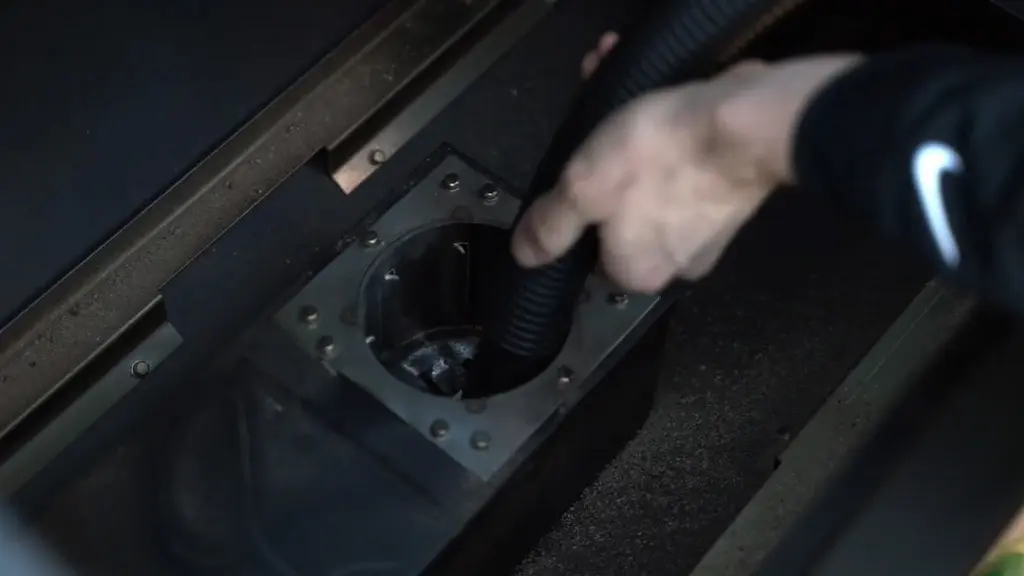
Next, check your pellets. They should be firm, smooth, and whole. If they look broken or dusty or feel soft, they’ve likely absorbed moisture. Don’t use them. Bad pellets will never give you stable heat, no matter what you adjust.
Now comes the important part: proper startup. When you turn the grill on, let it run through its full startup cycle. Don’t interrupt it. During the “0” stage, the auger feeds pellets continuously for about a minute, and that’s normal.
You should end up with roughly a quarter cup of pellets in the firepot.
After that, the system moves through stages where the igniter heats up, the fan kicks in, and the grill stabilizes.
What you don’t want to do is keep restarting the grill mid-process. That’s how you accidentally overload the firepot with pellets. Once the grill reaches around 150°F, then you adjust it to your desired temperature. Not before.
Bottom line, too many pellets or bad pellets will always lead to heat issues. Clean the firepot, use good-quality dry pellets, and follow the startup process properly. Do that, and your temperature problems here usually disappear.
5. Malfunctioning Control Board
If you’ve checked everything else and your Green Mountain Grill is still running too hot, this is where things get serious. The control board is basically the brain of the grill. It takes input from the thermal sensor, processes it, and then decides how many pellets to feed and how much airflow to allow.

So when the control board starts failing, the whole system falls apart. Here’s how it usually shows up. The thermal sensor might be working perfectly fine, but the control board misreads the data.
It thinks the grill is cooler than it actually is, so it keeps feeding more pellets and pushing the temperature higher. In other cases, the issue is firmware-related.
The logic controlling temperature regulation becomes inconsistent. You’ll see weird behavior like sudden temperature spikes, slow response to adjustments, or the grill just not holding a steady temperature at all.
At this point, it’s no longer a mechanical issue. It’s a control issue. And that’s why it’s tricky. Because everything else can look fine. Clean firepot, good pellets, proper airflow, and working sensor. But the grill still doesn’t behave the way it should.
Solution:
Before jumping straight to replacement, check if your firmware is up to date. Sometimes, a simple update can fix glitches in temperature control and stabilize performance.
If that doesn’t solve the problem, then there’s no real workaround. A faulty control board cannot be “fixed” in a practical sense. Once it starts misreading signals or sending incorrect commands, it will keep causing problems.
The only reliable solution is replacing it. Swap in a new control board that’s compatible with your grill model, and that usually restores proper communication between the sensor, auger, and fan.

Once the system starts receiving and processing accurate data again, temperature control goes back to normal. To be honest, this is the last thing you want to replace, but sometimes it’s the only thing left. When the brain is wrong, everything else follows.
What To Do When Smoke Comes Out of Green Mountain Grill?
Smoke coming out of the hopper on your Green Mountain Grill is not normal. When it happens, it usually means something is off with airflow or sealing. Start with the basics.
Check the burn pot first. If it’s full of ash or leftover pellets, clean it out completely. A clogged or overloaded burn pot messes with airflow, and that’s when smoke starts traveling in the wrong direction.
Next, look at the hopper lid. This sounds simple, but it causes a lot of issues. The lid needs to be fully closed, not just “looks closed.” Press down on all four corners and make sure it sits flush.
Even a tiny gap can let smoke escape upward instead of going through the proper exhaust path. If you suspect the lid isn’t sealing properly, there’s a quick test.
Lay two sheets of foil over the hopper and close the lid on top of it. This creates a temporary seal. If the smoke problem improves, your lid is likely warped and not sealing correctly.
Now check the airflow components. Make sure the combustion fan is spinning freely and not damaged. If the fan isn’t doing its job, air won’t circulate properly, and smoke will start backing up instead of flowing out through the chimney.
Also, take a look at the pellet dump door. It needs to be tightly closed. If it’s even slightly open, it can disrupt airflow and give smoke an easy way out. If everything above checks out and you’re still seeing smoke from the hopper, then you’re likely dealing with a sealing issue deeper inside.
There’s a gasket between the hopper and the auger assembly. If that seal is worn out or loose, smoke can leak through it and come up into the hopper. In that case, sealing it with high-temperature silicone usually fixes the problem.
At the end of the day, smoke in the hopper is almost always airflow or sealing-related. Fix those two, and the issue usually disappears.
FAQs
How do I know if my temperature sensor is actually faulty?
The easiest check is during startup. When the grill first turns on and hasn’t heated yet, the temperature reading should be close to the outside air temperature. If it’s way off, the sensor is likely the issue.
Can weather conditions affect my grill running too hot?
Yes, especially wind. Strong airflow can feed the fire more oxygen than usual, making it burn hotter. Direct sunlight can also raise internal temps slightly, but airflow is the bigger factor.
Is it normal for the grill to cool down slowly?
Yes, completely normal. Pellet grills are designed to keep the fire going, so temperature drops slowly. If you need to cool it faster, opening the lid briefly helps release heat.
Can a dirty grill really cause overheating issues?
Absolutely. Ash buildup in the firepot and grease accumulation can disrupt airflow and combustion, leading to unstable or higher-than-normal temperatures.
Conclusion
Now you know the real reasons behind the Green Mountain Grill too-hot issue and how to fix it properly. Most of the time, it comes down to a faulty thermal sensor, pellet overload, airflow imbalance, or control board problems. Once you identify the exact cause, the fix is usually straightforward.
In most cases, a clean firepot, proper airflow, or replacing a bad sensor solves it completely. And if it’s something deeper, like the control board, you now know what to do. If your issue is the opposite and your grill isn’t heating up at all, check out my full guide on why your GMG won’t heat up properly.